Ask anyone what made an event memorable and they’ll usually talk about how it felt. The atmosphere. The energy in the room. The way a moment caught them off guard in the best way. What they rarely mention, because they’re not meant to, is the styling that quietly engineered all of it.
Event styling is the invisible architecture behind every great corporate event. It’s the layer most businesses underinvest in and almost always regret. Here’s why it matters more than the brief usually allows for, and what good event design actually delivers.
Styling is not decoration
The biggest misconception about event styling is that it’s about flowers, linens, and pretty backdrops. Those are outputs. The work itself is something different.
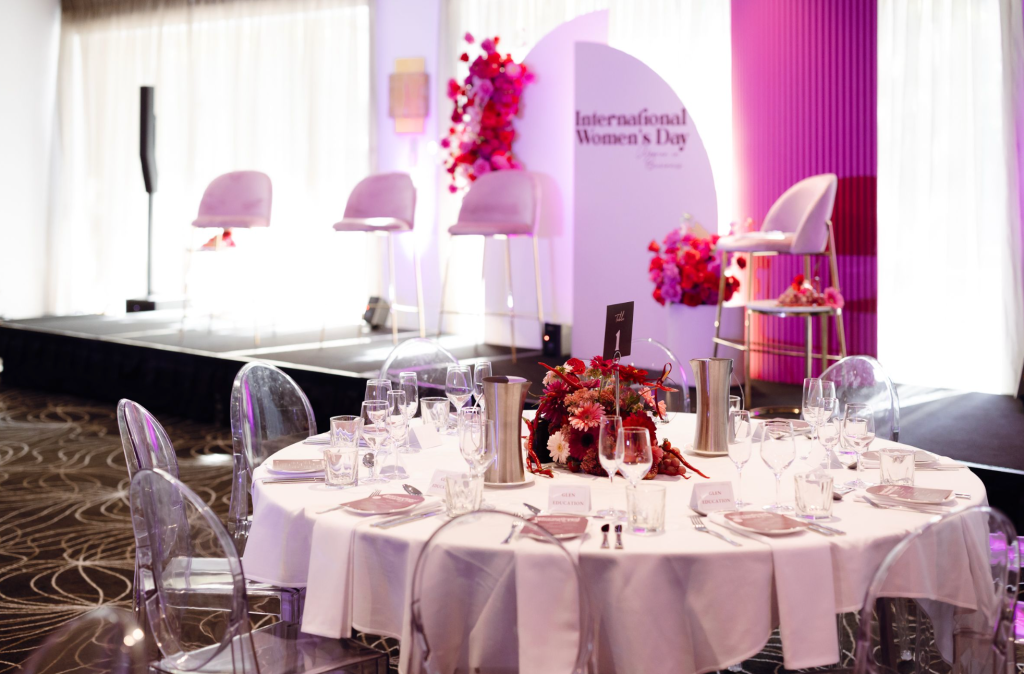
Good styling translates a brand into a physical space. It decides how guests move through the room, what they notice first, where the eye lands, and how the mood shifts as the night progresses. It’s strategy made visible, designed to support the outcomes the event was built for in the first place.
The role of detail
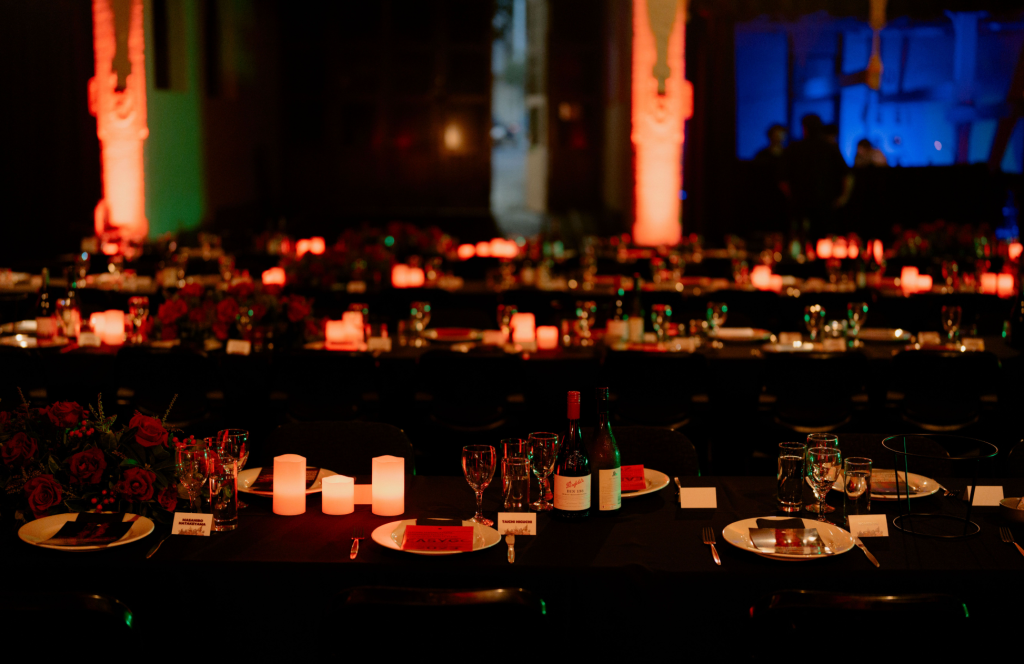
Detail is what separates events that look polished from events that feel premium. The weight of the cutlery. The temperature of the lighting. The scent in the room when guests walk in. The texture of the menu card.
None of these are accidents at a well-styled event. Every choice is deliberate, and every detail compounds. Guests can’t always articulate why a room feels considered, but they always feel it. So does anyone who later sees the photos.
Guests don’t remember the floral arrangement. They remember how the room made them feel. Styling is what builds that feeling.
Why styling shapes brand perception
For corporate events especially, styling is one of the most direct expressions of a brand. A clean, restrained palette signals confidence. A warm, textured space signals hospitality. A bold, theatrical setup signals ambition.
When the styling matches the brand’s positioning, guests leave with a stronger and more accurate sense of who the company is. When it doesn’t, the disconnect undermines everything else, no matter how good the keynote or the catering was.
The cost of underinvesting
The most common styling mistake is treating it as a finishing touch. Teams plan the venue, the AV, the catering, and the run sheet, and then ask for styling quotes at the end with whatever budget is left.
The result is usually predictable: generic centrepieces, mismatched colour palettes, lighting that fights with the room rather than working with it. None of it ruins the event, but none of it elevates it either. The whole night feels slightly less than it could have been, in a way that’s hard to pin down.
What great event design actually involves
A strong event styling and design team starts with the brief before they touch a mood board. They ask about the audience, the outcomes, the brand’s voice, the kind of conversations the event should spark. Then they build the visual language around all of that.
This is the difference between hiring a stylist and working with an event management agency that treats design as part of the strategy. The first executes a look. The second engineers an experience.
The bottom line
Styling isn’t the most expensive line item on a corporate event, but it’s often the one with the highest leverage. Get it right and guests walk out talking about how the night felt. Get it wrong and they walk out talking about the canapés.
If you’re planning an event and want the styling to do more than just look the part, send your brief to enquiries@mcoevents.com.au. We’d love to help shape it from the ground up.