
Ask most people what a corporate event coordinator does and you’ll hear some version of “books the venue and sorts the catering.” It’s not wrong, exactly. It’s just the visible tip of a role that runs much deeper than the job title suggests. The booking and the catering are the easy part. The real work happens in the spaces between.
A great coordinator is part strategist, part diplomat, part air traffic controller, and part calm in everyone else’s storm. Here’s what the role actually involves, and why the good ones are worth far more than their job description implies.
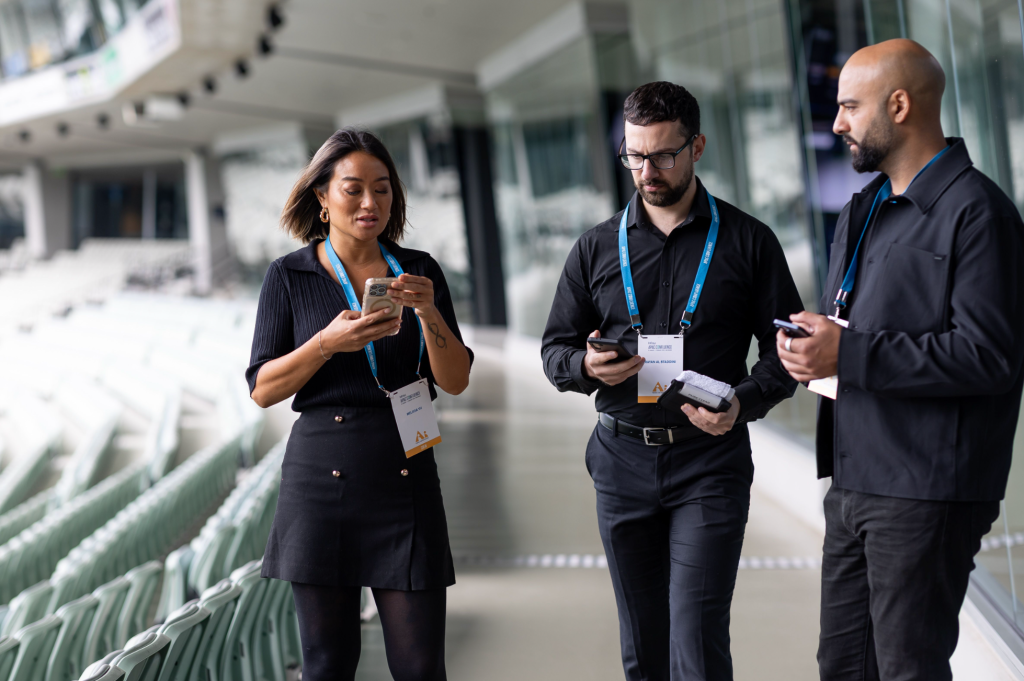
The work you can see
On the surface, the role looks like a series of tasks. Sourcing venues, managing supplier contracts, building run sheets, coordinating timelines, handling registrations, and keeping the budget on track. This is the visible layer, and it’s substantial on its own.
But anyone can tick items off a checklist. What separates a coordinator from an organiser is everything that happens around those tasks: the judgment calls, the relationship management, and the constant low-level problem-solving that never makes it onto a list.
The work you can’t see
The most valuable part of the job is invisible by design. A good corporate event coordinator spends their time anticipating problems before they happen. They notice that two suppliers are scheduled to load in at the same dock at the same time. They catch that the speaker’s flight lands too close to the keynote. They realise the room turnaround between sessions is ten minutes short.
None of this shows up at the event itself, because the whole point is that it never becomes a problem. The mark of great coordination is an event that feels effortless, which is usually the product of someone working very hard to make it look that way.
The best event coordination is invisible. You only notice it when it’s missing.
The diplomacy nobody talks about
A surprising amount of the role is managing people. Stakeholders with competing priorities. Suppliers under pressure. A leadership team with strong opinions and limited time. Guests with last-minute requests.
A skilled coordinator keeps everyone aligned without letting any single voice derail the plan. They translate a CEO’s vague vision into a concrete brief, push back diplomatically when a request threatens the budget or timeline, and hold the whole thing together when the pressure rises. It’s emotional labour as much as logistical, and it rarely gets credited.
Why experience makes the difference
Coordination is a role where experience compounds. A seasoned coordinator has seen the things that go wrong, which means they plan for them instinctively. They know which suppliers deliver under pressure, how long things really take, and where the hidden risks tend to hide.
This is the difference between someone managing an event for the first time and a professional who does it for a living. It’s also why businesses increasingly bring in specialists rather than loading the work onto an already-stretched internal team. The right corporate event management partner brings coordinators whose instincts have been sharpened across hundreds of events.
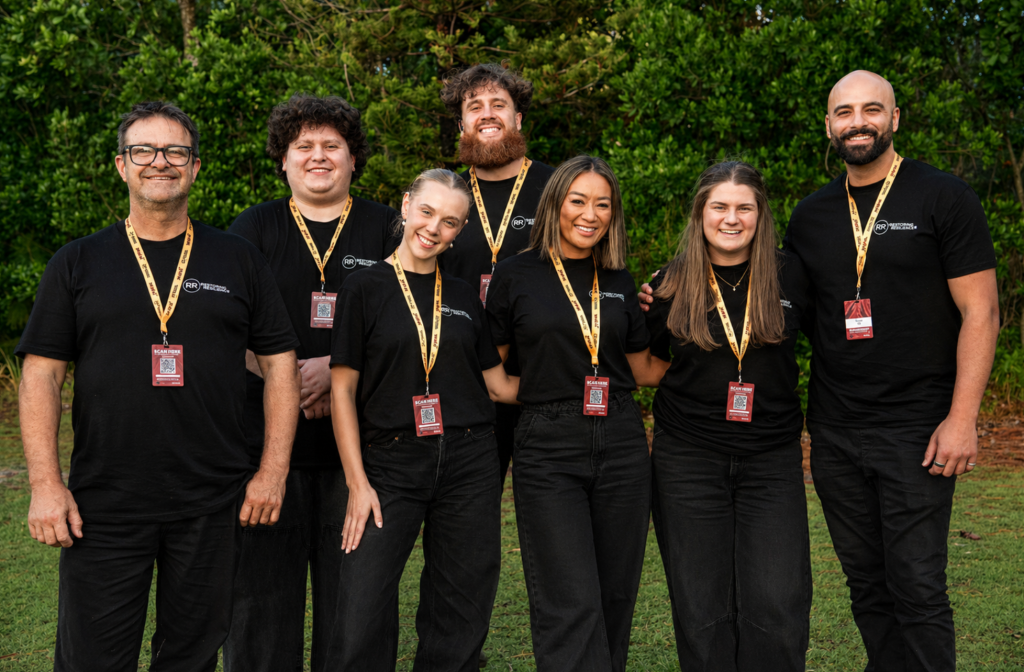
More than logistics
A corporate event coordinator isn’t just the person who books things. They’re the person who holds the entire event together, anticipates what no one else sees coming, and absorbs the pressure so the guests never feel it. The logistics are real, but they’re the floor of the role, not the ceiling.
The next time an event runs seamlessly from start to finish, it’s worth remembering that someone made hundreds of small, invisible decisions to get it there. That’s the job, and the good ones make it look like nothing at all.
If you’re planning an event and want that level of coordination behind it, book a call or send your brief to enquiries@mcoevents.com.au. We’ll make sure it runs like it was easy.