The most expensive event mistakes don’t happen on event day. They happen six months before, in a meeting nobody flagged as important.
We’ve worked on events ranging from 50-person executive retreats to 2,000-guest brand activations across Melbourne. The same mistakes show up at every scale, in every industry, at every budget. And they’re rarely caught until the invoices land.
Here are the five that cost businesses the most.
1. Booking the venue before defining the objective
Most teams treat the venue as the starting point. The best teams treat it as the last decision, not the first.
Lock in a space before you’ve defined what success looks like, and every choice that follows becomes a compromise. A product launch needs different lighting, flow, and acoustics than a board retreat. Walk into the venue search knowing your audience size, your brand expression, and the outcomes you’re measuring against. Skip this step and you’ll spend the next six months making concessions you never planned for.
2. Underestimating AV and production needs
Audio-visual is where budgets quietly blow out, and where amateur events get exposed.
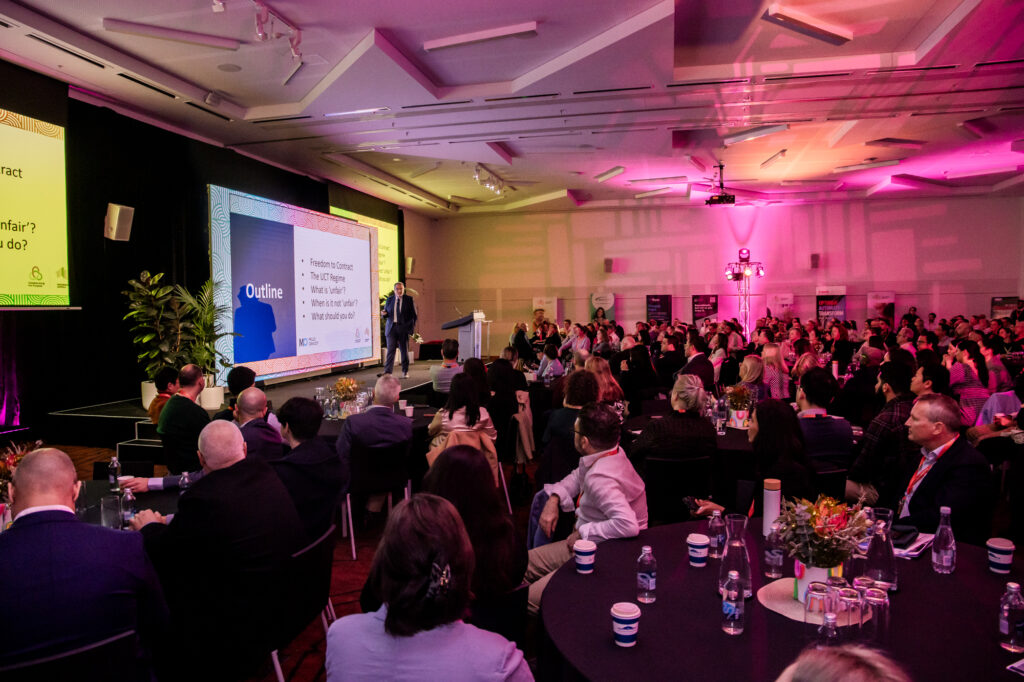
Cheap microphones, weak projection, and patchy livestream feeds can undo months of planning in a single keynote. Production is also where your brand actually shows up in the room: lighting design, stage setup, sound clarity. Guests can’t always articulate why a room feels premium, but they feel it. So do your competitors when they hear about it afterwards
The single most expensive event mistake we’ve seen wasn’t a vendor failure. It was a planning shortcut taken eight months earlier.

3. Ignoring the run sheet until the final week
A run sheet is your event’s nervous system. If yours is being written in event week, you’ve already lost.
Build it during planning, with every supplier, transition, and speaker cue mapped to the minute. A strong run sheet flags risks early: tight transitions, vendor dependencies, gaps in the schedule. The earlier these surface, the cheaper they are to solve. Most last-minute panics are run sheet failures wearing a different costume.
4. Underestimating the value of supplier relationships
Behind every smooth event is a network of trusted suppliers who know how to deliver under pressure.
Caterers, AV teams, florists, stylists, transport. Established event management companies in Melbourne bring vetted partners who’ve worked together before, which means tighter coordination, fewer surprises, and faster solutions when timelines shift. That network is what saves you at 6pm on event day when something unexpected lands in your lap.
5. DIY-ing what should be outsourced
Internal teams can manage smaller functions. Large corporate events are a different animal.
They demand specialists who handle logistics, contingencies, and crisis management as second nature. A professional corporate event planner protects your budget, your timeline, and your brand reputation. They also free your internal team to focus on what they were actually hired to do, rather than getting buried in vendor calls and last-minute changes.
The pattern behind the mistakes
Every one of these mistakes shares the same root: treating event planning as a checklist instead of a strategy. The businesses that get it right partner with experienced large event management companies who think three steps ahead, anticipate what could go sideways, and have a Plan B ready before you need one.
If you’re a few months out from a major event, that’s the right time to talk.
Book A Call or send your brief to enquiries@mcoevents.com.au, and we’ll tell you what’s missing before it costs you.